Tuesday, November 26, 2024

The Legacy of Elpidio Quirino

     Elpidio Quirino, the sixth President of the Philippines, had a humble beginning that shaped his dedication to public service. Born on November 16, 1890, in Vigan, Ilocos Sur, Quirino grew up in a supportive family where education was highly valued. His father, a lawyer, and his mother, a teacher, inspired him to pursue a life of learning and hard work. Quirino excelled in his studies, attending the University of the Philippines College of Law, where he graduated with honors in 1915. After passing the bar exam, he embarked on a career in public service, determined to make a difference in his country. 

    Quirino’s journey in politics began when he joined the Bureau of Justice as a clerk. His intelligence and dedication quickly earned him promotions, and by 1925, he entered the House of Representatives. He went on to become a Senator in 1934, where he gained a reputation for advocating social welfare and education reforms. His leadership style was grounded in integrity, and he worked tirelessly to improve the lives of ordinary Filipinos. Quirino’s rise in politics was not just about his ambition but also about his genuine desire to serve the people and make a positive impact.


    When World War II broke out, Quirino's role in the government expanded as he became head of the National Economic Council. After the war, he played a crucial part in helping the Philippines recover, especially through securing U.S. aid for rebuilding. When President Manuel Roxas passed away unexpectedly in 1948, Quirino became the President of the Philippines. This was a challenging time for the country, as it was still recovering from the devastation of war, but Quirino faced the task with determination and hope for the future.


    As president, Quirino focused on rebuilding the nation and improving the economy. He worked hard to secure foreign investments, repair infrastructure, and create opportunities for the Filipino people. His leadership in this post-war recovery earned him respect, even though his presidency was marred by corruption scandals. Still, Quirino’s ability to navigate through these challenges and help the country move forward is a testament to his resilience and commitment to public service. He served as president until 1953, leaving behind a legacy of hard work, perseverance, and a deep sense of duty to his country.


References:

Elpidio Quirino - Google Arts & Culture. (n.d.). Google Arts & Culture. https://artsandculture.google.com/entity/elpidio-quirino/m02bmxs?hl=en

Retrieved from Facebook. https://www.facebook.com/share/12CvbSEKNhJ/?

Retrieved from Facebook. https://www.facebook.com/share/p/1B9g8Tr27s/?

A Legacy Worth Saving: Preserving the Past and Honoring Indigenous Cultures

"Our culture is our identity; when we lose it, we lose ourselves."

    October is a special time for all Filipinos as we come together to celebrate National Indigenous Peoples Month, which runs from October 1 to 30. This year’s theme, “Mga Katutubo at Katutubong Dunong: Pahalagahan, Pangalagaan at Parangalana” (Valuing, Nurturing, and Honoring Indigenous Peoples and Indigenous Knowledge), encourages us to reflect on the importance of Indigenous cultures and the invaluable knowledge that these communities have passed down for generations. It’s a reminder for us to appreciate the wisdom of Indigenous peoples, not just as part of our history, but as a living, breathing part of our country’s future.


    One of the most important aspects of this month is the commemoration of the 27th anniversary of the Indigenous Peoples Rights Act (IPRA). The law recognizes and protects the rights of Indigenous communities, including their ancestral lands, cultural practices, and right to self-determination. During this month, we are reminded of how crucial it is to ensure that the rights enshrined in the IPRA are upheld. The challenges faced by Indigenous peoples like displacement from their ancestral lands, discrimination, and the threat of cultural loss are still real today. Indigenous Peoples Month is a call for all of us to protect these rights, to stand in solidarity with these communities, and to make sure that they are not left behind in the modern world.


    What’s also special about this month is how it brings us together, Indigenous and non-Indigenous people alike. By celebrating and learning more about Indigenous knowledge, we can better understand the wisdom they offer, especially in areas like agriculture, healing, and sustainability. It’s not just about honoring the past, but also about realizing how much we can learn from these communities today. Indigenous knowledge can teach us valuable lessons on how to live in harmony with nature, how to preserve our environment, and how to build stronger, more inclusive communities. National Indigenous Peoples Month isn’t just a time for recognition—it’s a reminder that Indigenous peoples and their knowledge deserve our respect, protection, and admiration every day of the year. Let’s value, nurture, and honor them, not just for one month, but for generations to come.


References:

NCIPR2024_Admin. (2022, October 12). National Indigenous Peoples’ (IP) Month. Official Website of National Commission on Indigenous Peoples Region III. https://www.ncipr3.com/national-indigenous-peoples-ip-month/

Pinoy, F. (2024, June 22). Indigenous tribes of the Philippines. Festive Pinoy. https://festivepinoy.com/indigenous-tribes-of-the-philippines/

Wikipedia contributors. (2015, April 25). File:Igorot Ladies.jpg - Wikipedia. https://en.m.wikipedia.org/wiki/File:Igorot_ladies.jpg


Tuesday, November 19, 2024

Together We Stand: Filipino Resilience Amidst Climate Change

 "The earth does not belong to us; we belong to the earth"


    The environment is undergoing rapid and unpredictable changes, with climate change being one of the most prominent factors affecting the lives of Filipinos. The storms seem to grow fiercer, the floods more destructive, and the weather more unpredictable. Communities that rely on farming and fishing to survive are hit hardest, as crops are destroyed, fishing areas are wiped out, and homes are left in ruins. As these disasters become more frequent and severe, they place enormous strain on the country’s resources, economy, and ability to provide for its people. But beyond the physical damage, the impact of climate change reaches into the hearts and minds of those affected. For families who’ve experienced repeated devastation, the emotional toll can be just as overwhelming. The fear of losing everything, the trauma of starting over, and the anxiety about what the future holds weigh heavily on communities. And for those already struggling, rebuilding is an uphill battle. The poor, in particular, often bear the brunt of these disasters, facing not only the loss of their homes but also a deepening of their vulnerability in the wake of each event.


    Despite the difficulties, the Filipino spirit remains strong, with many communities coming together to support each other and rebuild after disasters. Local initiatives such as disaster preparedness programs, sustainable farming practices, and community-driven recovery efforts reflect the strength of the people and their ability to adapt. However, there is a growing recognition that resilience alone is not enough. To truly combat the adverse effects of climate change, comprehensive action is required from both the government and private sectors. This includes investing in renewable energy, improving infrastructure, and strengthening disaster response systems. Only through a combination of resilience, adaptation, and proactive mitigation strategies can the Philippines hope to protect its people and safeguard its future against the worsening impacts of climate change.


    The urgency for change has never been clearer, and the time to act is now. Every day that we wait is another day that communities are left vulnerable to the devastating effects of climate change. We must push for policies that prioritize sustainability, invest in green technologies, and ensure that disaster response systems are stronger and more efficient. But it doesn’t just rest on governments and organizations—it’s up to each of us, as individuals and as a society, to make a difference. Whether it’s reducing our carbon footprint, supporting local initiatives, or advocating for climate justice, every action counts. We have the power to create lasting change. It's not too late to save the planet, but it will be if we wait any longer.


References:
Admin. (2023, May 15). Climate change in the Philippines 2023. GreenDev Solutions. https://greendevsolutions.com/climate-change-in-the-philippines-2023/

Climate Finance: Helping the Philippines to Cope with Climate Change. (n.d.). AFD - Agence FranΓ§aise De DΓ©veloppement. https://www.afd.fr/en/actualites/climate-finance-helping-philippines-cope-climate-change

Retrieved from Pinterest. https://pin.it/65l1nT5L7

The Action to Take, The Future to Build

"When we protect children, we protect the future." 


    This year’s National Children’s Month theme, "Break the Prevalence, End the Violence: Protecting Children, Creating a Safe Philippines," calls on all Filipinos to confront the painful reality that too many children in the country face violence every day. Whether it’s physical abuse, neglect, or exploitation, these abuses leave lasting scars on young lives. This theme isn’t just a reminder—it’s a call to action for everyone to stand up, speak out, and work together to ensure that every child has the right to grow up in safety. A society’s true strength is reflected in how it cares for and protects its most vulnerable members: its children.

    For many children in the Philippines, home is not a place of safety but one of fear. Children in abusive households, those forced into labor, or those who fall victim to online predators face a grim reality that prevents them from living their childhoods to the fullest. They carry trauma that may not always be visible, but it shapes who they become. The National Children’s Month celebration this year puts these stories in the spotlight, emphasizing that we cannot continue to turn a blind eye to the suffering of our youngest citizens. We must all be responsible for the well-being of children, whether it’s through supporting better laws, providing safe spaces, or simply being a more attentive, compassionate community. It’s time to make sure that every child in the Philippines can feel safe at home, at school, and in their communities.

    This month isn’t just about acknowledging the problem; it’s about changing the way we, as a society, treat children. It’s about creating a culture where children are seen, heard, and respected—not just as dependents but as active participants in their own futures. We must build a Philippines where children know their rights, where they can speak up when something isn’t right, and where they have the support they need to overcome the challenges they face. It’s about more than just laws or policies; it’s about creating a nation where children are given the care and opportunities they need to thrive. When we protect children and ensure their safety, we’re building a stronger, more compassionate society that benefits everyone. After all, the future we want to see starts with the children we choose to protect today.


References:
Filipino Kids Images – Browse 19,387 stock photos, vectors, and video. (n.d.). Adobe Stock. https://stock.adobe.com/ph/search?k=filipino+kids

Filipino children Stock Photos, Royalty Free Filipino children Images | Depositphotos. (n.d.). Depositphotos. https://depositphotos.com/photos/filipino-children.html

Rose Jessica Octaviano (2018, November) Octaviano: Celebrating the Filipino children. SunStar Publishing Inc. https://www.sunstar.com.ph/bacolod/lifestyle/octaviano-celebrating-the-filipino-children

Sunday, October 6, 2024

Towards a Greener Tomorrow


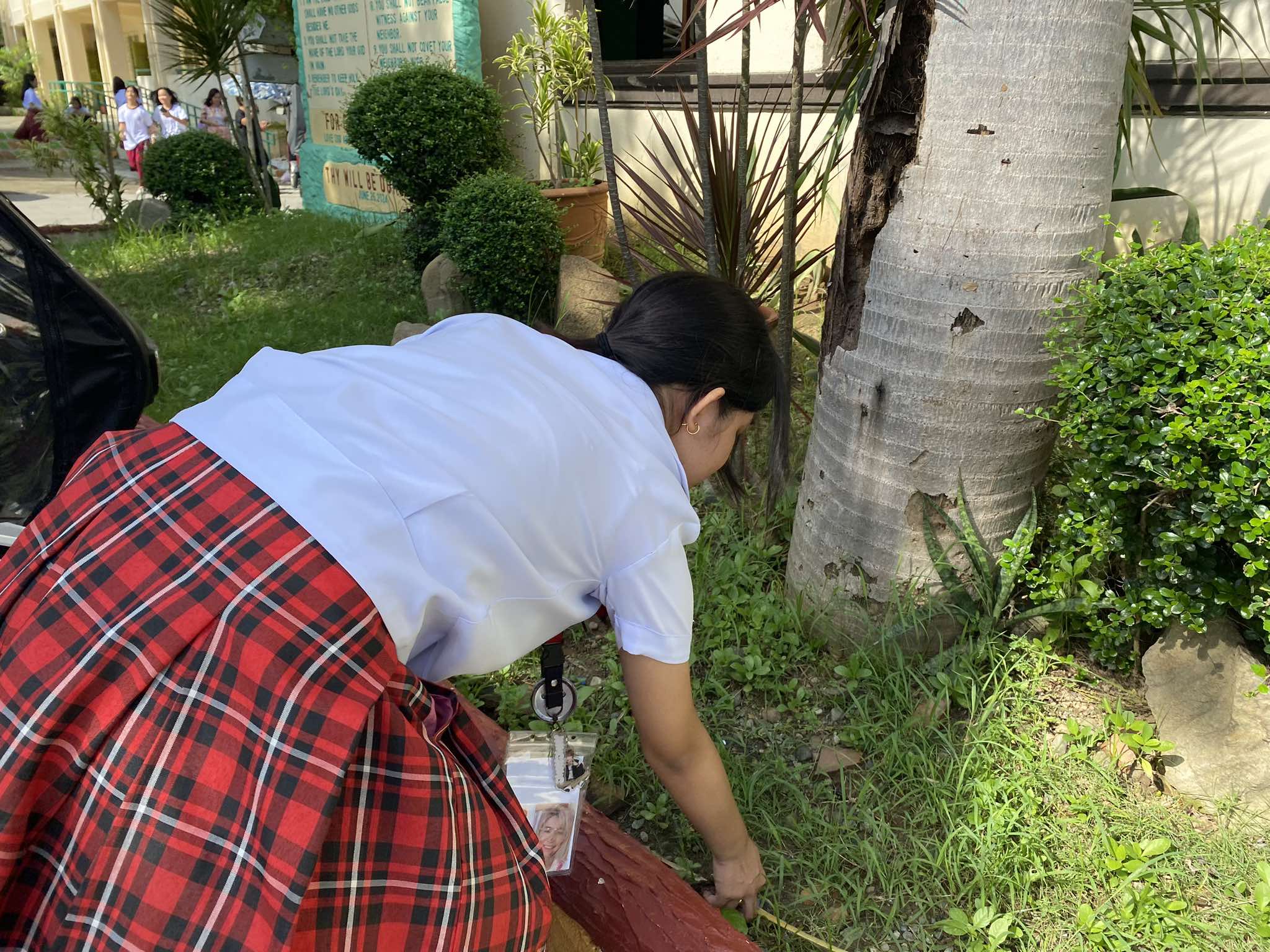
    Robert Swan once said, "The greatest threat to our planet is the belief that someone else will save it." September, being National Clean Up Month, offer us a valuable opportunity to come together and actively protect our environment. As a student in Special Science Class and an advocate for our environment, I recognize it's my responsibility to take initiative instead of relying on others to take the lead. Students can easily contribute by participating in clean up events, educating their peers about the importance of maintaining a clean environment, planting trees, and promoting the 3Rs: reduce, reuse, and recycle.


Here are some actions I took that contributed to the protection and care of the environment:


Collecting litter around the school is an important initiative that not only helps maintain a clean and safe environment for teachers and fellow students, but also fosters a sense of community responsibility and encourages everyone to take pride in our shared space.


Actively participating in a clean-up drive event at our school allowed me to contribute to the beautification of our campus while fostering a sense of community and environmental responsibility among students.


Participating in a recycling contest allowed me and my friends to collect waste materials and creatively repurpose them, significantly reducing waste while promoting environmental awareness in our community.


Reference:

Blogger: <http://www.blogger.com>

“The Greatest Threat to Our Planet Is the Belief That Someone Else Will Save It” – Robert Swan OBE, 2012


Monday, September 30, 2024

The Pathway of Knowledge

    
    During the first quarter, I gained a deeper understanding of the internet's evolution, including its development over the years and the key pioneers who shaped it. I learned about essential concepts such as protocols, web servers, web clients, and web pages, which are crucial for understanding how the internet functions. Additionally, we delved into blogs, learning about their various types and mechanics by implementing one on a computer, which significantly enhanced my practical skills in creating a blog.  
   
     I encountered challenges like slow computer performance due to unstable internet connections, which hindered my learning experience. Additionally, balancing my time and grasping lessons was difficult due to other responsibilities.

    To tackle these challenged, I practiced patience and persistence. I made a concerted effort to focus on my studies, seeking additional resources and breaking down lessons into manageable parts to enhance my understanding. Moreover, I developed consistent study habits to make learning a regular part of my daily life.

    Moving on, I will focus on improving my time management skills and striving for greater success. I'll intend to explore our covered topics more deeply, especially in lessons that I cannot grasp well, and to participate more actively in class discussions and projects. This strategy will strengthen my understanding and better prepare me for future challenges in our lessons.

Saturday, September 21, 2024

The Spark That Lights the Way: Celebrating Educators


As we come together to celebrate National Teachers Month, we honor the vital contributions that educators make across our nation. Teachers are instrumental in shaping their students' lives, imparting knowledge, values, and critical thinking skills that extend far beyond academic content. Their profound influence sparks a lifelong passion for learning and nurtures curiosity. By recognizing their efforts, we acknowledge the unwavering dedication and resilience teachers display daily, often going above and beyond to ensure the success and well-being of their students.


Educators face numerous challenges, from adapting to new technologies and teaching strategies to meeting the diverse needs of their students. Despite these hurdles, they remain steadfast in their commitment to education. Many teachers invest long hours crafting engaging lessons and providing support to students and families. Their efforts significantly impact not only academic performance but also the social and emotional growth of young people. We are deeply grateful for their tireless work and the lasting difference they make in the lives of countless individuals.


This month serves not only as a time for recognition but also as a call to action to advocate for the resources, training, and respect teachers rightfully deserve. It is essential for communities, policymakers, and educational institutions to collaborate in creating an environment where educators feel valued and empowered. By fostering meaningful dialogue and cooperation, we can ensure that teachers receive the recognition and support they need, ultimately enriching our educational landscape and shaping a brighter future for all.


References:


Bank, A. D. (2017, June 5). Teach for the Philippines, teach for development. Asian Development Bank. https://www.adb.org/results/teach-philippines-teach-development


Mikaela Kristina Acido-Muega, & Mikaela Kristina Acido-Muega. (2022, September 23). Thank you, teachers. Daily Tribune. https://www.google.com/amp/s/tribune.net.ph/amp/story/2022/09/23/thank-you-teachers